Most likely, you came here after looking at yet another high energy bill and wondering what else you could do. You have strengthened the attic insulation and inspected the windows, but the furnace continues to run and drafts continue to enter. It brings up an essential question: can vinyl siding provide some relief by insulating your home?
Since your home’s exterior serves as its first line of defense against the weather, it is a wise question to ask. If you’re looking for a genuine answer, you’ve come to the right place. Since knowing whether vinyl siding can insulate your home is the first step to a more efficient home, you will discover exactly how this popular exterior cladding affects both the comfort of your home and your pocketbook.
What is Vinyl Siding Really For?
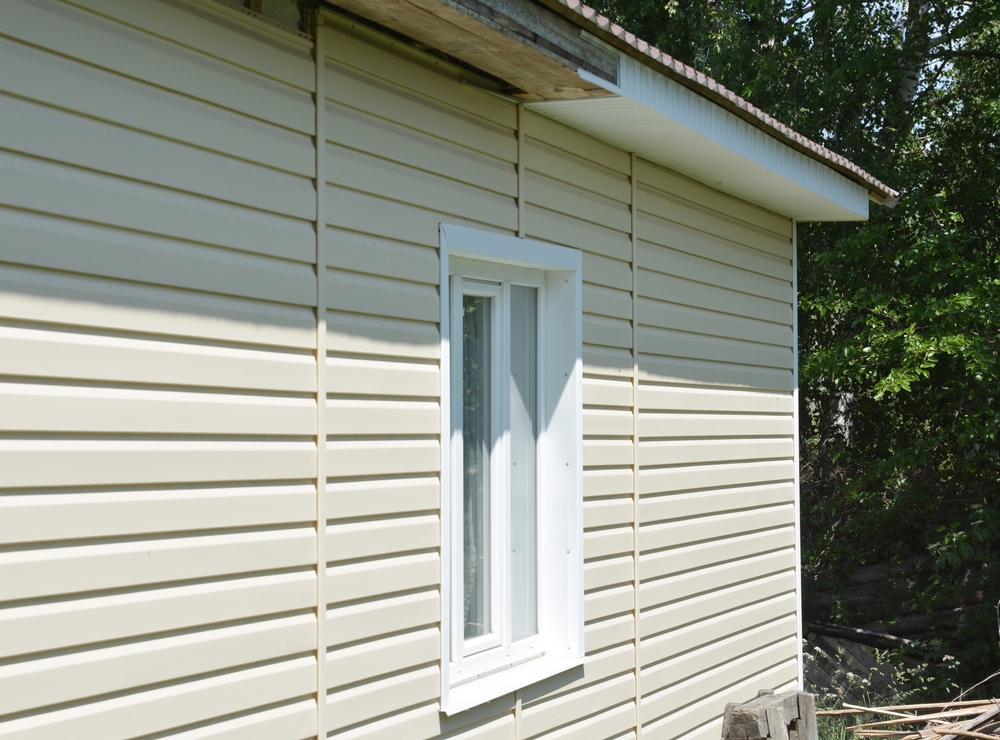
Let’s get something straight. Insulating a house is not the primary function of ordinary, non-insulated vinyl siding. It’s not so much a winter coat as it is a raincoat for your home.
Its main objective is to shield your home’s structure from snow, rain, and wind. It is an affordable, long-lasting, and low-maintenance siding choice to protect the wood and sheathing underneath from moisture issues. In order to avoid rot and other major structural problems, this protection is essential.
Additionally, this conventional siding improves curb appeal and provides a smooth, finished appearance without requiring repainting every few years. Therefore, appearance and protection are more important than warmth. If you’re planning to upgrade your home’s exterior, working with a general contractor in Wildwood, NJ, can help you choose and install vinyl siding that offers the best protection and curb appeal.
The Short Answer: Does Regular Vinyl Siding Insulate?
Non-insulated vinyl siding alone doesn’t do much to keep your house cool in the summer or warm in the winter. After all, it is a thin coating of polyvinyl chloride (PVC) plastic. Simply put, this material lacks the qualities required to effectively withstand heat flow.
The R-value, or thermal resistance, of a material indicates its insulating power. Better insulation is indicated by a higher R-value. The R-value of conventional hollow-back vinyl siding is typically less than 1, at 0.61.
For comparison, the R-value of the insulation within your wall cavity may range from 13 to 21. Regular vinyl siding is, therefore, like wearing a thin t-shirt when you need a winter coat. It just doesn’t offer the energy-saving advantages that a lot of homeowners seek.
Meet Insulated Vinyl Siding: The Game Changer
Things start to get interesting at this point. Manufacturers of vinyl siding created insulated vinyl siding as a more intelligent siding product after realizing the need for increased energy efficiency. On the outside, it appears to be identical to conventional siding, but inside, it is a hidden weapon.
A layer of rigid insulating foam, usually expanded polystyrene (EPS), is permanently affixed to the rear of each panel of this kind of foam-backed siding. This backing adds strength and, most importantly, insulating power by precisely fitting the siding panel’s contour.
All of a sudden, your house’s raincoat turns into a sweater. It turns a siding product from a basic protective covering into an active component of the insulation system in your house. One of the most important features of insulated vinyl siding is its foam-backed design.
How R-Value Plays a Role
The R-value is significantly impacted by that foam backing. Depending on the additional thickness and quality of the foam, an insulated vinyl siding product can increase your wall system’s R-value by 2.0 to 5.5. This significantly improves your home’s insulation compared to standard siding, which has an R-value of less than -1.
This additional R-value aids in reducing the rate at which heat moves through your walls. It implies that less heat enters during the summer and less heat leaves during the winter. Real energy savings begin when your HVAC system does not have to work as hard.
Beyond R-Value: Other Great Benefits
Insulating foam serves more purposes than merely lowering energy expenses. It provides strength and rigidity to the siding panels. There are some additional benefits to this that you may find useful.
- Improved Durability: The siding is more resilient to dents and damage from things like hail, stray baseballs, and lawnmower bumps thanks to the sturdy backing. It has a great record of durability and won’t eventually develop the wavy or fragile appearance that some hollow siding does.
- Noise Reduction: Additionally, the foam serves as a sound-absorbing material. It can make your home quieter and more tranquil by lowering the amount of outside noise you can hear inside.
- A Better Look: Back siding creates flatter profiles because it is more rigid and rests flat and straight against your walls. This can conceal small flaws in the wall surface and make your house look cleaner and more expensive.
How Much Can Insulated Vinyl Siding Insulate Your House?
Let’s discuss the practical implications. Although we are aware that insulated siding raises R-value, what does that actually mean for your house and your financial situation? The improvements are widely known, but the answer will vary depending on the condition of your house right now.
The impact this sweater can have on their house surprises a lot of homeowners. It addresses one of the main unnoticed causes of energy loss in many households. Because of this, it’s a popular siding option available today. If your home’s energy loss stems from wall damage or aging materials, a structural repair in Bridgeton, NJ, may be the first step before adding insulated vinyl siding for maximum efficiency.
Breaking Down the Energy Savings
According to studies, insulated siding can greatly increase the energy efficiency of your home, though precise figures will depend on your climate and current insulation. According to some industry analyses, homeowners may noticeably lower their heating and cooling expenses. This method of adding insulation is a simple way to reduce costs.
This occurs because the siding surrounds your home with an uninterrupted layer of insulation. It improves the performance of your current wall insulation and lessens sporadic air leaks. It is a constant line of defense that keeps your house cozy around the clock.
Creating a Block for Thermal Bridging
Although many people are unaware of it, this is one of the main benefits of insulated siding. We refer to it as thermal bridging. Wooden studs with insulation between them make up the walls of your house.
However, in comparison to the insulation itself, wood is a poor insulator. Those studs allow heat to pass through them directly, allowing energy to escape. The studs alone may be responsible for up to 25% of the energy loss in your wall.
All of your wall sheathing, including the studs, is covered with insulated siding. That thermal bridge is successfully broken by this continuous layer of foam board insulation. It prevents your pricey heated and cooled air from having an easy way out.
This is essential. Even with the best insulation available, you are still leaving a significant hole in your home’s thermal defense if you do not address thermal bridging. Among the many benefits of vinyl siding, this is a major one.
| Feature | Standard Vinyl Siding | Insulated Vinyl Siding |
| R-Value | Less than R-1 | R-2 to R-5.5 |
| Energy Savings | Minimal | Significant |
| Thermal Bridging | No effect | Reduces it |
| Durability | Good | Excellent (dent-resistant) |
| Noise Reduction | Minimal | Noticeable |
Installation Differences to Consider
Hanging non-insulated vinyl siding is not the same as installing insulated vinyl siding. Because the foam-backed siding panels are thicker, the process calls for particular methods and equipment. Creating a continuous thermal and moisture barrier is more important than simply nailing panels to the wall.
For instance, installers must cut with a blade designed specifically for siding. Vinyl can be torn or melted by a regular plywood blade, but a fine-toothed blade, which is frequently inserted backward in the saw, makes a clean cut. Professionals often use hand snips for smaller, more intricate cuts.
Additionally, the thickness affects how the siding slides into receiving pockets and trim pieces. To guarantee a correct fit and permit expansion and contraction, installers must utilize specialized accessories made for insulated panels. In the absence of these, the siding project may buckle and have an amateurish finish.
How Insulated Vinyl Stacks Up Against Other Siding Options
Although it is not the only siding option, insulated vinyl is a great choice. Fiber cement siding, for instance, has virtually no intrinsic R-value despite being renowned for its longevity and pest and fire resistance. Installing a separate layer of rigid foam board insulation before the siding is put on would be necessary to achieve comparable energy-saving benefits with fiber cement, which would involve extra steps and cost.
Manufactured stone veneer is another common option. It has a low R-value even though it looks expensive and is very durable. Insulation must be added separately to make it an energy-efficient option, just like fiber cement.
Insulated vinyl siding excels in this situation. It is a single vinyl siding product that incorporates insulation, structure, and cladding. This integrated approach offers a guaranteed level of thermal resistance right from the beginning and streamlines the installation process.
Moisture Management and Permeability
In addition to providing insulation, a successful siding system must efficiently control moisture. This involves letting water vapor escape from the wall assembly while blocking bulk water intrusion. The perm rating of a material becomes significant at this point.
Moisture control is a key consideration in the design of insulated vinyl siding. The majority of products have a perm rating that lets air flow through the wall, preventing water vapor from getting trapped and leading to mold or rot. This system is essential for preventing future moisture problems.
However, proper installation is essential to the system’s overall performance. It is crucial to have a properly installed house wrap or other weather-resistant barrier underneath the siding. A strong defense against the weather is produced by combining breathable insulated siding with house wrap.
Is It Just About the Siding?
Even though any insulated vinyl siding product is fantastic, it’s crucial to consider it as a team effort. Every component of the whole system that is your home must cooperate for optimal performance. Your energy efficiency issues and environmental impact cannot be resolved by siding alone. Consider your entire home. In a snowstorm, you would leave your shoes at home but not wear a winter coat, right? Your home follows the same reasoning.
The Role of House Wrap and Sheathing
A layer of sheathing (such as OSB or plywood) and a weather-resistive barrier, commonly referred to as house wrap, should be installed on your house before any siding is installed. The purpose of this wrap is to keep water from entering the structure of your house. It permits moisture vapor to escape at the same time.
An excellent house wrap is an essential siding partner. It is the main line of defense against bulk water and deals with air infiltration. Without it, a wall system could be at risk of damage or losing a significant amount of energy, even with the best insulated siding.
Don’t Forget Your Walls, Attic, and Windows
Even the best siding won’t make a huge difference if your house has drafty, old windows or almost no insulation in the attic. The secret to efficiency is a home that is air-sealed and well-insulated. Before beginning work, a lot of siding contractors might provide a free inspection to help find these trouble spots.
A poorly insulated attic can be a significant source of heat loss because heat rises. As much air can escape through old windows as from a small window left open all year. To get the most out of your investment, take an in-depth look at your house.
Why Insulated Vinyl Siding Is a Smart Upgrade
So we return to our initial question. Standard vinyl siding doesn’t do much to insulate your home, but insulated vinyl siding can. That’s the simple truth. It accomplishes this by giving your walls a high R-value and, more importantly, by preventing heat loss through thermal bridging through the wall studs.
It is an investment that simultaneously increases the comfort, durability, and energy efficiency of your house. One of the best ways to improve your home’s external performance and aesthetic appeal at the same time is with insulated siding.
It is an influential piece of the puzzle, but it won’t be able to solve all of your energy problems on its own. A wise move toward building a more affordable and cozy home is selecting this siding. It is an established technology that has a strong record of producing outcomes. Ready to boost your home’s efficiency and curb appeal? Contact KH Construction today to learn more about our expert vinyl siding installation services.